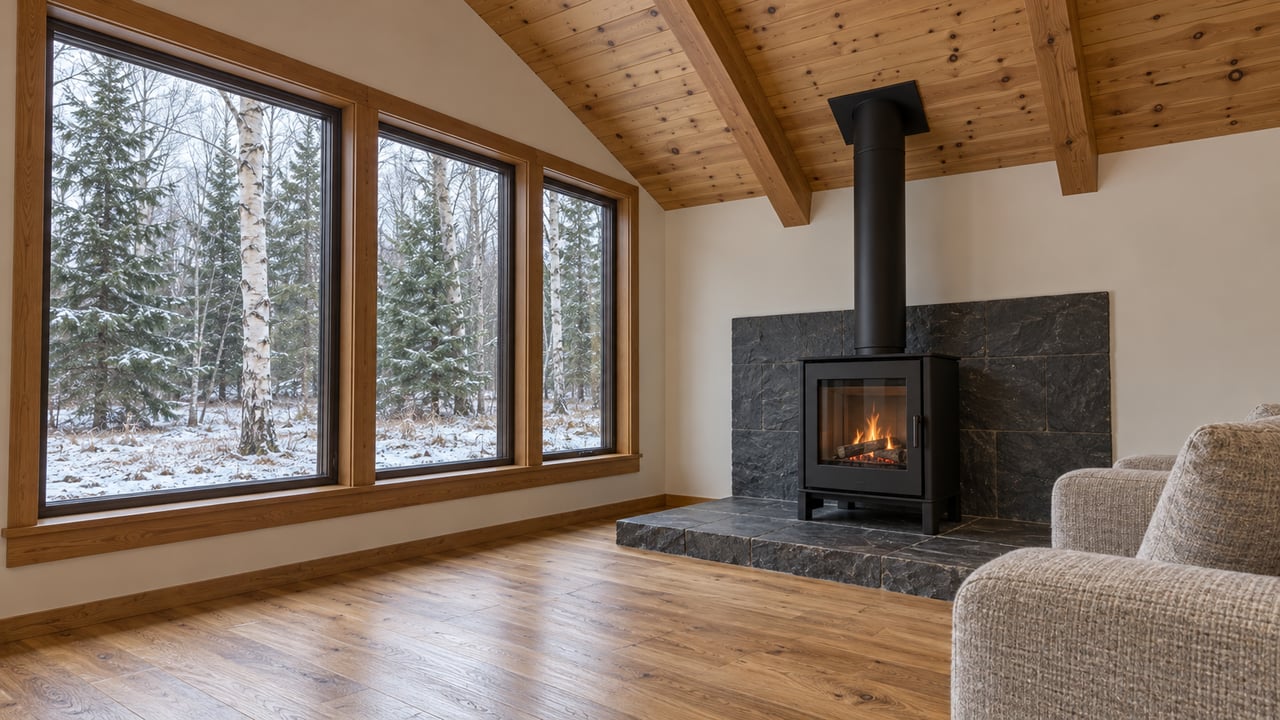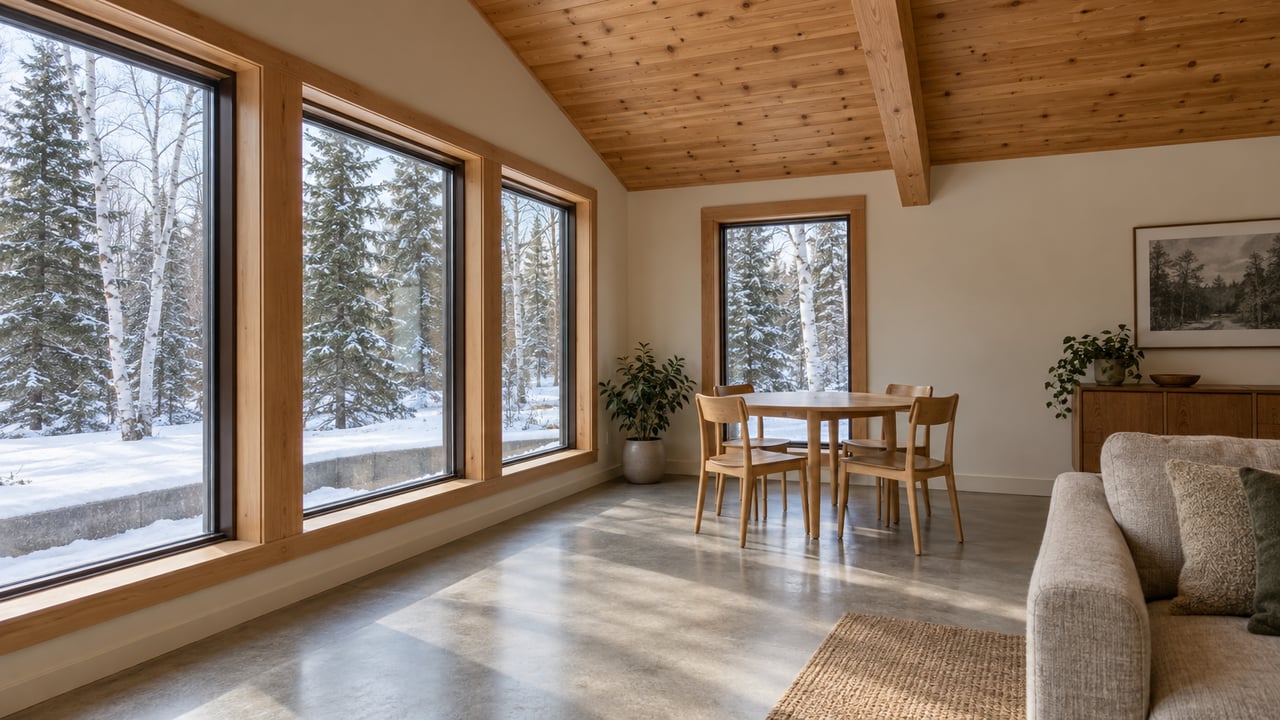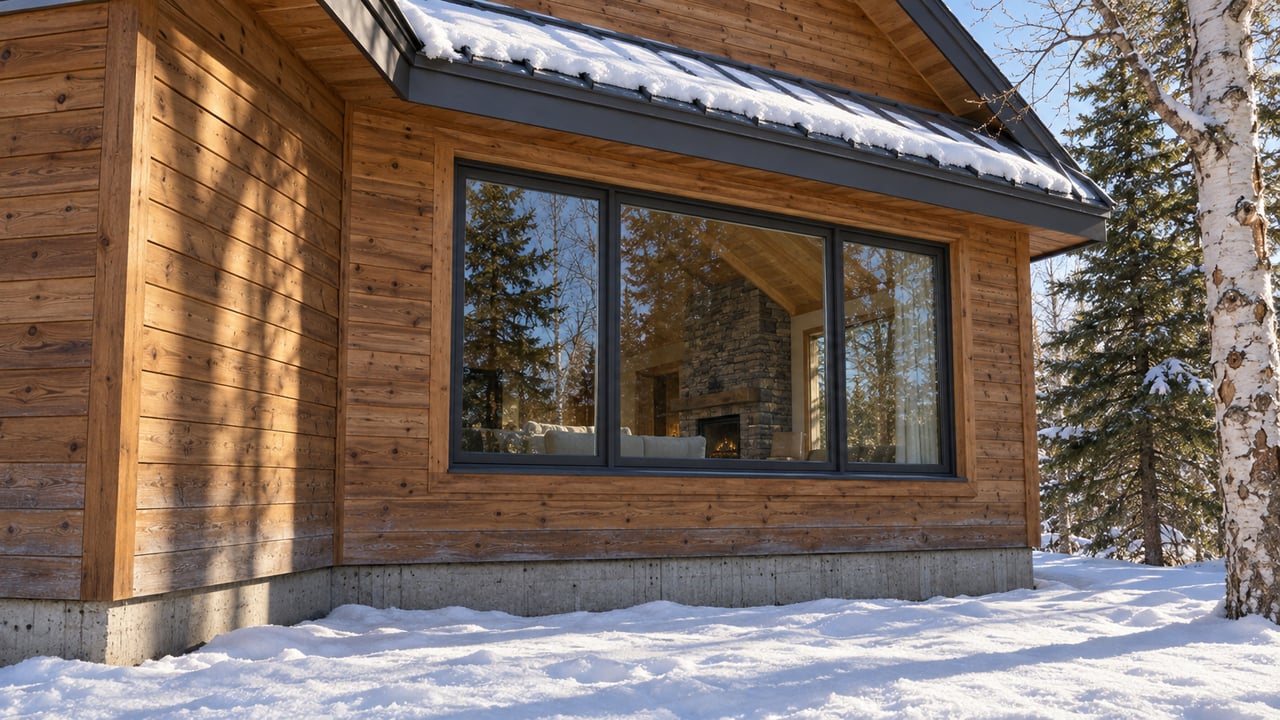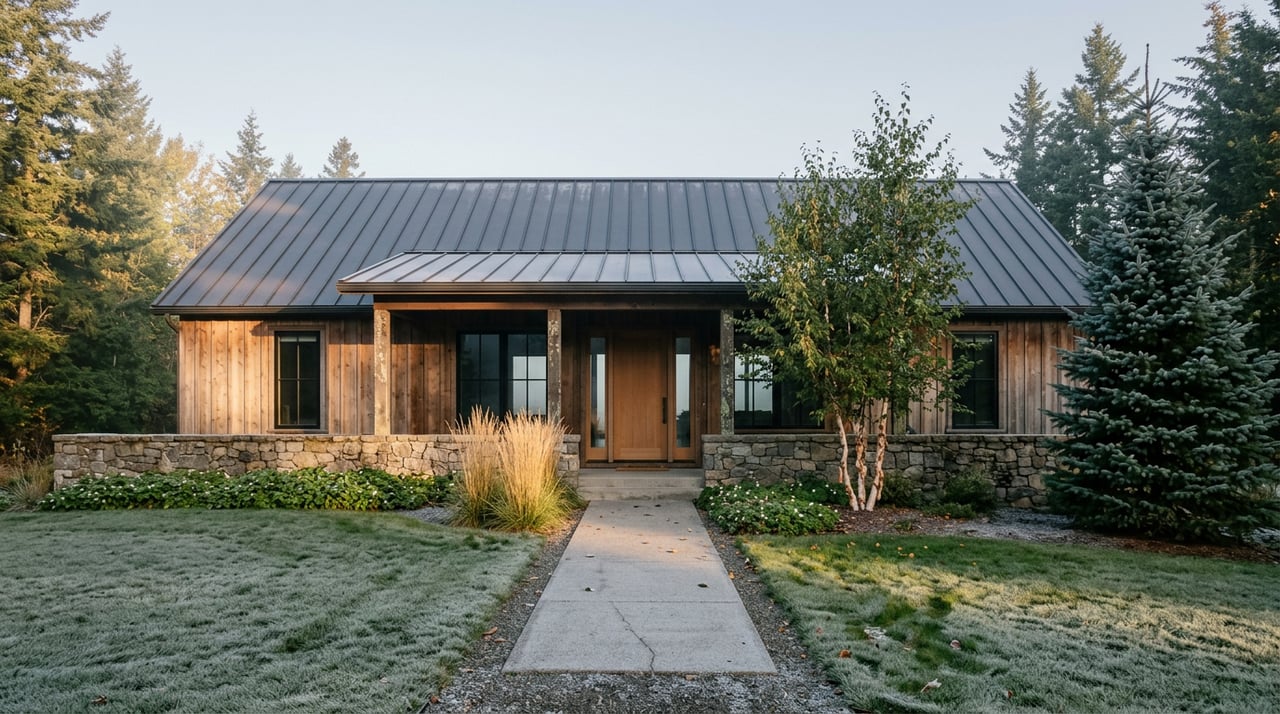
Two houses on the same North Pole street, same square footage, same finish level, same asking price. One draws from a well that's been clean for six years. The other draws from a well sitting inside a plume of industrial solvent that's still creeping north-northwest under the yard. From the driveway, you cannot tell them apart. Neither can most buyers, and depending on when the current owner moved in, neither can some sellers.
This isn't a hypothetical. It's the actual geography of North Pole real estate in 2026, and it traces back to a refinery that's been closed for over a decade but whose groundwater problem is still very much open.
A Refinery Closes. The Water Keeps Moving.
The former North Pole Refinery, now operating as the Marathon Terminal, ran from the late 1970s until it shut down in 2014. Somewhere around 2000, routine groundwater monitoring on the property picked up an unexpected chemical. It turned out to be sulfolane, an industrial solvent used in gasoline refining. By 2009, it had shown up in drinking water wells off the refinery property, and testing eventually confirmed it had reached roughly 350 private wells in the surrounding area.
Here's the part that matters for anyone buying or selling nearby: sulfolane doesn't sit where it lands. The plume it created is about 2 miles wide, 3.5 miles long, and more than 300 feet deep, and it continues to migrate gradually toward the north-northwest. A well that tested clean in 2018 is not guaranteed to test clean today, and a parcel that sat just outside the original mapped boundary may not be outside it anymore.
Three Water Situations, One Identical-Looking House
Walk through North Pole and you'll pass three kinds of properties, and nothing about their exterior tells you which is which.
| Water Status | What It Means | What a Buyer Should Verify |
|---|---|---|
| Connected to city water | Property was inside the 2017-2020 piped water expansion and the owner accepted the connection | Confirm the connection is active, not just available |
| Eligible but not connected | Inside the plume's advisory area, offered a connection, but the owner declined or never followed through | Ask why, and ask what the well currently tests at |
| Well outside the mapped plume | Not currently flagged, but the plume is not static | Check the current DEC plume map, not an old one |
That middle category is the one that catches people off guard. Connection to the expanded system was offered to all eligible and willing property owners by the end of 2020, and most of those connections were free depending on the property's location and improvement status. "Eligible" and "connected" are two different facts, and a seller who's lived in the house since before 2020 may genuinely not remember which one applies to them.
The Cleanup Isn't Finished, and 2026 Proves It
If this were purely a historical footnote, it wouldn't be worth a homebuyer's attention. It isn't historical. Williams Alaska Petroleum, the refinery's former owner and the party a Fairbanks court held liable in 2020 for the sulfolane releases, has been contacting property owners who still aren't connected to municipal water to evaluate their eligibility for alternative water supplies. That outreach ran through 2024 and 2025 and is continuing in 2026.
There's a second contaminant layered into the same story. PFAS, the fire-fighting-foam chemicals also traced to the refinery, were detected in off-property groundwater starting in 2018. Recent sampling shows PFAS levels above the state's cleanup and action thresholds both on the former refinery site and in groundwater migrating off it. In late 2024, Williams removed roughly 1,900 tons of PFAS-contaminated soil from a former fire training area on the property, and a small remaining area above the cleanup level is scheduled to be addressed in 2026. Late in 2025, the company began a pilot test aimed at pulling PFAS out of the groundwater itself.
A well can test clean one year and not the next. The plume keeps drifting, and state monitoring treats every well result as a snapshot rather than a permanent record.
None of this means North Pole is an unsafe place to buy a home. Thousands of households there are on city water, on remediated wells, or simply outside the affected area entirely. What it does mean is that "water status" is a fact specific to the parcel, not the neighborhood, and it needs to be confirmed rather than assumed.
What Alaska Law Actually Requires
This is where the disclosure statute becomes the most useful tool a buyer has. Alaska Statute 34.70.010 requires that any environmental hazard be disclosed to a prospective buyer before a residential property sale closes. In North Pole's case, that includes known sulfolane or PFAS impacts to a private well, and the disclosure form used across the state runs through the Alaska Real Estate Commission.
The catch is that disclosure only works if the seller knows what they're disclosing. A seller who bought the house already connected to city water, and who never drew from the original well, may have no personal knowledge of that well's history at all. The paperwork can be technically complete and still miss the full picture, which is exactly why this is a question worth asking directly rather than one you assume the form has already answered.
Six Subdivisions With a Shared Water History
The 2017-2020 expansion of North Pole's piped water system specifically named the Garden, Riddle Estates, Poodle, Pine Stream, Steelhead, and Sorores subdivisions as part of the area brought onto municipal water. If you're looking at a property in or near one of these, that water history is part of the property's story whether or not the current listing mentions it.
It's also worth knowing that the state's groundwater advisory extends beyond drinking water. DEC has specifically recommended against using untreated well water within the plume for gardening, after testing found that some edible plants grown with contaminated well water retained detectable sulfolane. If a property comes with an established garden and a private well, that's one more thing worth asking about before you picture yourself using it.
What to Ask Before You Write an Offer
- Is this property currently connected to North Pole's municipal water system, and is that connection active today, not just historically offered?
- If it's on a private well, has that well ever been tested for sulfolane or PFAS, and if so, when and by whom?
- If the seller doesn't know, will they authorize a current water test before closing?
- Does the disclosure form reflect any correspondence the seller has received from Williams Alaska Petroleum or DEC regarding well eligibility?
- If there's an established garden on the property, what water source has been used to irrigate it?
These aren't questions that should scare anyone away from North Pole. They're questions that separate an informed offer from a hopeful one, and in a market where two visually identical houses can carry two very different water stories, that difference is worth the extra conversation with your agent before you sign anything.
A Few Straight Answers
Does living outside the mapped plume mean I'm in the clear permanently? Not automatically. DEC has been explicit that the plume continues to migrate, so the current map matters more than an older one, and it's worth checking the most recent version before assuming a property is unaffected.
If a house is connected to city water, do I still need to worry about the old well? The city water connection addresses drinking water exposure going forward, but if the property still has an old private well, it's reasonable to ask whether that well has been properly closed or sealed, since an abandoned contaminated well can still be a pathway for spreading pollution to the surface.
Who do I contact if I want to confirm a specific parcel's status myself? The Alaska Department of Environmental Conservation maintains the plume maps and monitoring reports for the former North Pole Refinery site, and that's the most current, specific source available before you rely on secondhand information from a listing.
Every property in Interior Alaska has a story that goes beyond square footage and finish level, and North Pole's water history is one of the more consequential ones to get right before closing. If you're weighing a purchase or a sale anywhere in the North Pole area and want someone who will walk through exactly what applies to a specific parcel, Ginger Orem has worked this market since 1994 and knows which questions to ask before they become a problem at the closing table. Let's Connect.
This article is general information, not legal, tax or financial advice. Consult a qualified professional about your situation.