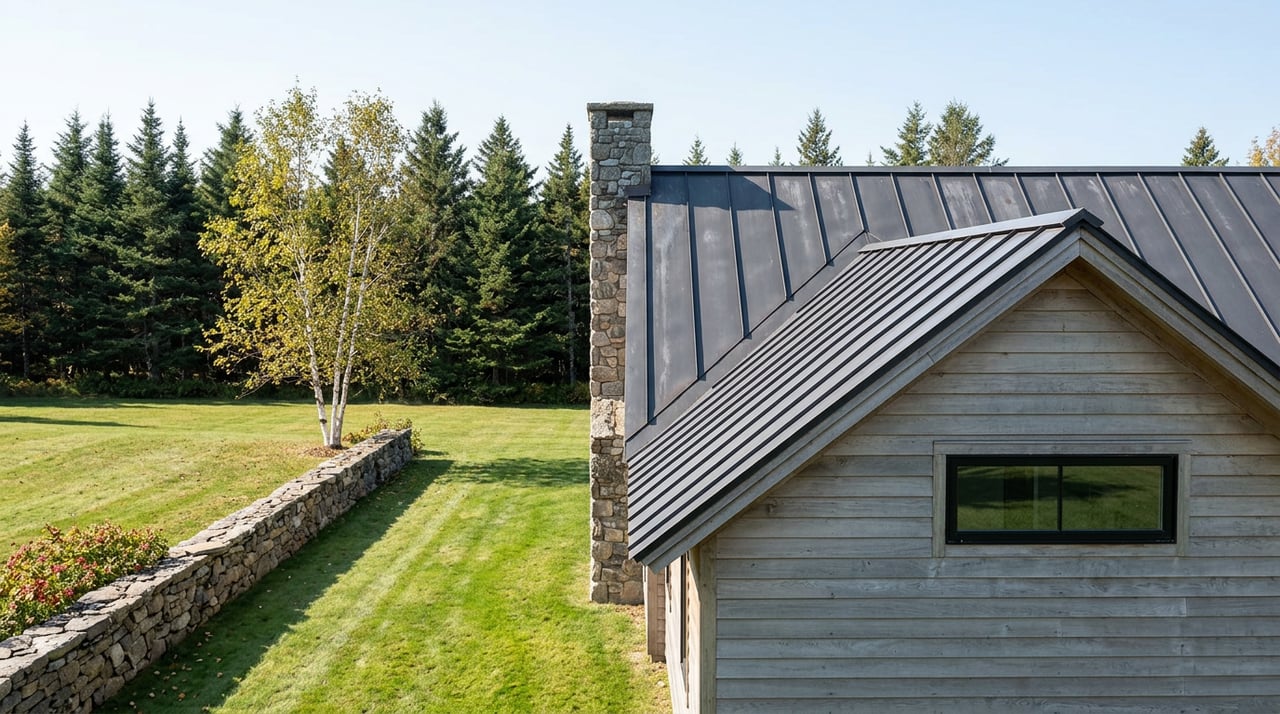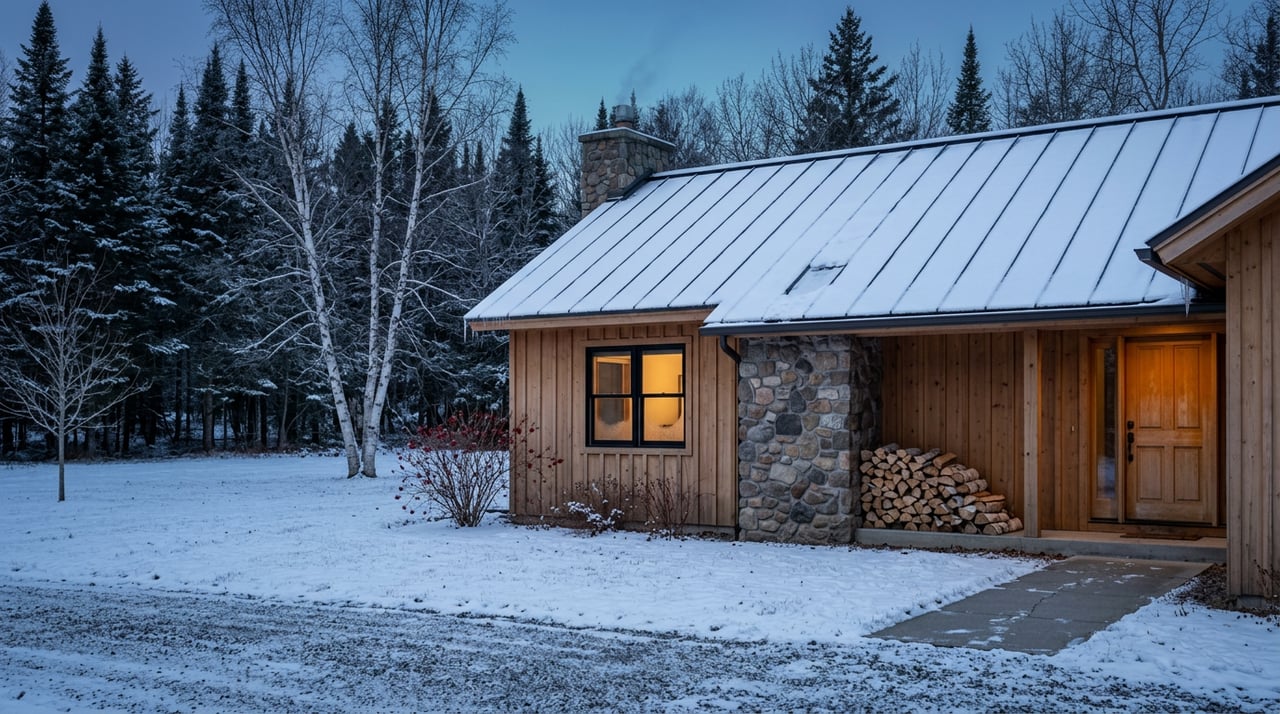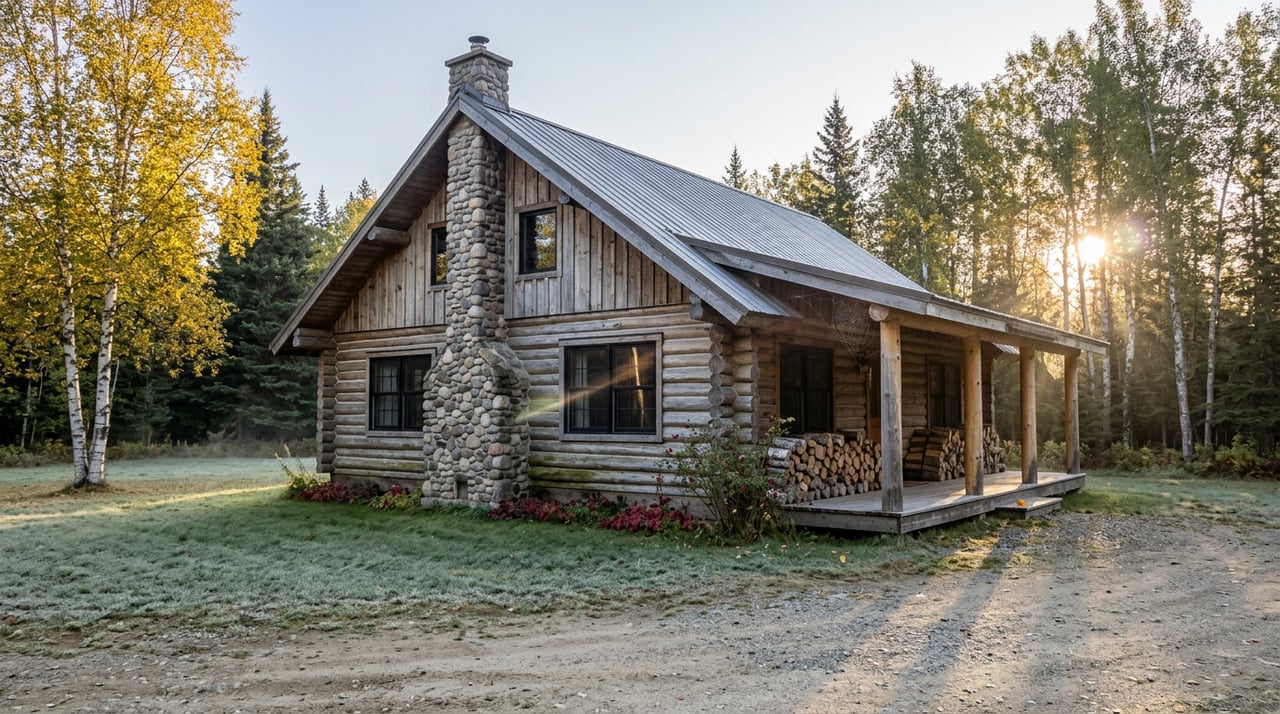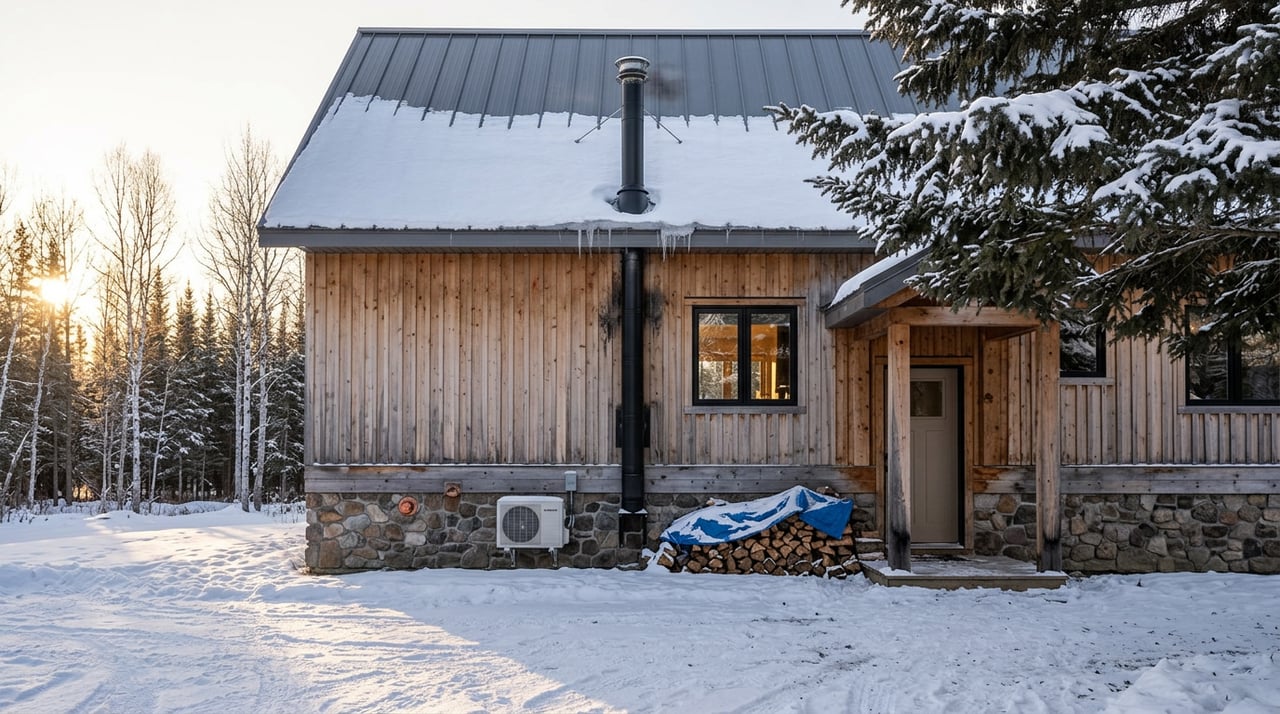
Picture two houses on the same street outside Fairbanks, listed within a few thousand dollars of each other last spring. Same square footage, same age, same view of the same treeline. One buyer closed in May and heated with electric baseboard through the following winter. The other bought the house next door, heated mostly with an oil furnace and kept a wood stove going on the coldest nights. By March, their power bills had almost nothing in common, even though both households were paying Golden Valley Electric Association for the exact same rate per kilowatt-hour.
That gap did not come from a bad inspection or a hidden defect. It came from a mechanism sitting inside GVEA's fuel charge that most listing sheets never mention, and that most buyers never think to ask about until their first cold-weather bill arrives.
The Bill That's Actually Been Moving
GVEA filed a formal rate case with the Regulatory Commission of Alaska on December 1, 2025, covering changes to base utility and demand charges. While that case works its way through review, the RCA approved an interim, refundable rate increase of 7.4% that took effect January 15, 2026, and it stays in place until the full case is decided, with a review deadline set for February 24, 2027.
That interim increase covers only the base charge. Separately, GVEA adjusts its Fuel and Purchased Power charge every three months, and this is where the real volatility lives. The F&PP rate rose from 12.183 cents to 12.779 cents per kilowatt-hour for the March through May 2026 quarter. Then, effective June 1, 2026, it jumped to 20.7 cents per kilowatt-hour, a 61% increase over the prior quarter and the largest single F&PP increase in the cooperative's history. GVEA estimated that change alone added about $45.74 to an average member's monthly bill.
Here is the order those changes actually happened in, if you are trying to picture a full heating season:
- December 1, 2025: GVEA files its rate case with the RCA.
- January 15, 2026: A 7.4% interim base-rate increase takes effect.
- March 1 through May 31, 2026: The quarterly fuel charge ticks up to 12.779 cents per kWh.
- June 1, 2026: The fuel charge jumps to 20.7 cents per kWh, the biggest single quarterly move on record.
- February 24, 2027: The RCA's deadline to decide the full rate case, meaning the base rate is still not final.
Nothing about this is resolved. A buyer closing on a Fairbanks home this fall is walking into a rate environment that has changed three separate times since January 2026 alone, with another review still ahead before next winter is over.
Why the Same Kilowatt Costs More at Some Houses
GVEA's CEO, Travis Million, attributed the June increase to higher fossil fuel costs combined with unusually high consumption during an especially cold March 2026. That part is straightforward. The more interesting detail, reported by Alaska Beacon after a packed community meeting at Noel Wien Library in April 2026, is what sits underneath that fuel cost.
The University of Alaska Fairbanks runs its own coal-fired plant on campus, which normally lets the university generate much of its own heat instead of drawing on GVEA. When that plant goes offline for maintenance, UAF switches to burning heating oil, a more expensive fuel than coal, to keep the campus warm, and buys replacement electricity from GVEA on top of that. That extra demand pushes GVEA to lean harder on diesel generation using older, less efficient units, and over this past winter that reliance averaged around 250,000 gallons of diesel a day. Alaska Beacon reported that fuel is now being trucked up from the refinery in Valdez to keep pace with demand, and that global diesel price swings, including ones tied to conflict in Iran, translate directly into local electricity costs. Each one-dollar move in diesel prices adds roughly $250,000 a day to GVEA's generation costs, or about $7.5 million a month.
None of that shows up on a listing sheet. What does show up, eventually, is a bill.
The rate is the same for every account. The bill is not.
That is the piece worth sitting with. GVEA's fuel charge applies equally to every rate class, so in cents per kilowatt-hour, nobody gets a break. But a home heated primarily by electric resistance baseboard or an electric heat pump can draw several times the electricity that a home heated by oil or wood does, especially during a stretch of extreme cold. A rate increase that adds a few cents per kilowatt-hour barely registers on a bill built around a few hundred kilowatt-hours a month for lights, a well pump, and small appliances. That same increase, multiplied across the volume an electric-heated home pulls in January, becomes real money fast.
What This Looks Like on a Real Street
This is why two homes with identical asking prices can carry very different total costs of ownership the moment winter arrives. A house that leans on oil or wood for heat and treats electricity as a supporting fuel is partially insulated from GVEA's fuel-charge swings, even though it still pays the same rate per kilowatt-hour as everyone else. A house that runs entirely on electric heat has no such buffer. Every quarterly F&PP adjustment lands on it at full volume.
None of this is visible from square footage, a photo of the kitchen, or even a solid inspection report. It only becomes visible when someone asks the right question before writing an offer, not after moving in.
Questions to Ask Before You Write an Offer
- Ask the seller for actual January and February electric bills, not an annual average. Winter is where the exposure shows up.
- Ask what share of the home's heat comes from electric baseboard or a heat pump versus oil, wood, or a combination. A wood stove listed as a feature is also a hedge against rate swings.
- Confirm which utility serves the parcel, since not every rate structure on the Railbelt moves the same way.
- Ask about the age and condition of any oil furnace or wood stove backup if you're counting on it to offset electric heating costs.
- Ask whether the home has had any weatherization or insulation upgrades, since reduced heating demand softens the impact of any rate, in either direction.
This Isn't Settled Yet
The RCA's review of GVEA's full rate case runs through February 24, 2027. Whatever the base rate ends up being, the quarterly fuel charge will keep moving independently of that decision, tied to fuel costs and consumption patterns that have already produced one record-setting jump this year. This exposure question does not stop at the Fairbanks city line. GVEA serves the whole surrounding grid, including North Pole and the communities around it, so the same math applies to any home sitting on that system, regardless of address.
I have watched interior Alaska's energy costs move through several cycles since 1994, and the pattern holds: buyers who ask about heat source and actual winter bills before closing rarely get surprised later. Buyers who assume electric heat means predictable costs sometimes do. If you're comparing homes in Fairbanks or North Pole and want help reading past the price tag to what a house will actually cost you to run, Ginger Orem can walk through that with you before you write an offer, not after your first January bill arrives.
Will Fairbanks electric rates go back down? Nobody can promise that right now. The base rate is still under RCA review through February 2027, and the fuel charge resets every quarter based on generation costs that have already swung sharply once this year. Treat current rates as a snapshot, not a settled number.
Does this only affect homes inside Fairbanks city limits? No. GVEA's service territory covers the broader Fairbanks area and North Pole, so any home on that grid carries the same exposure question regardless of which side of a municipal line it sits on.