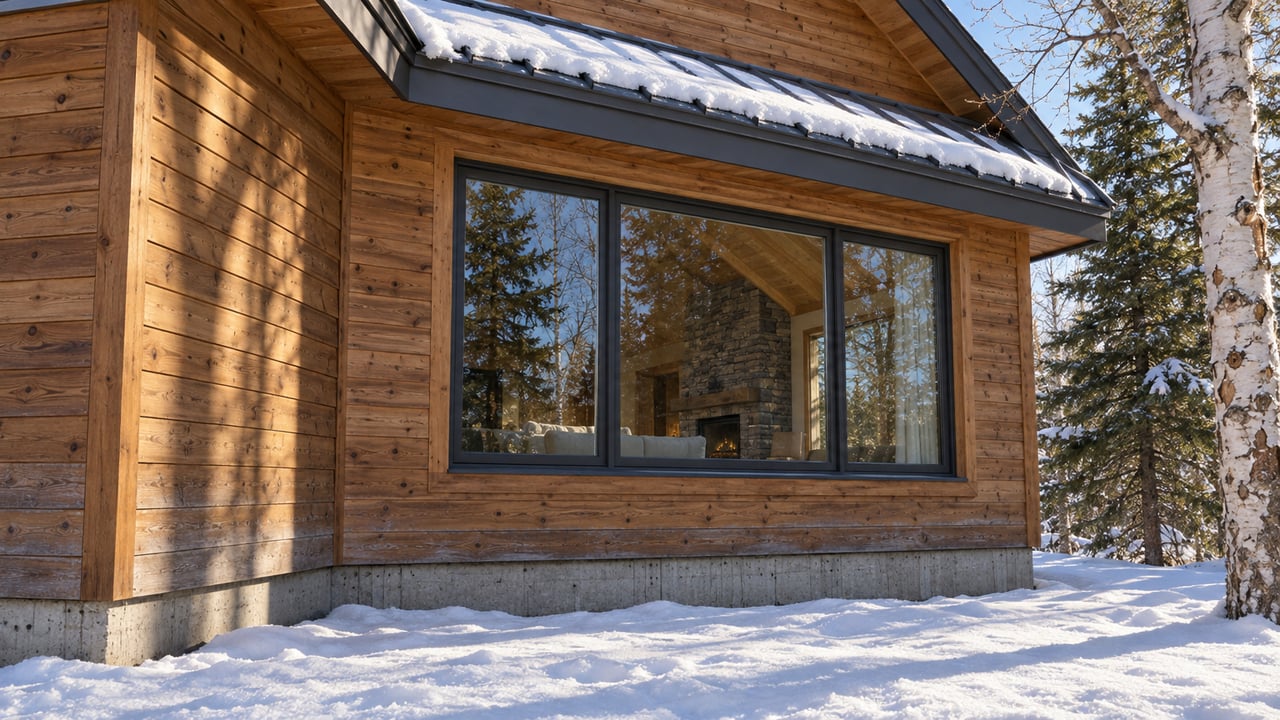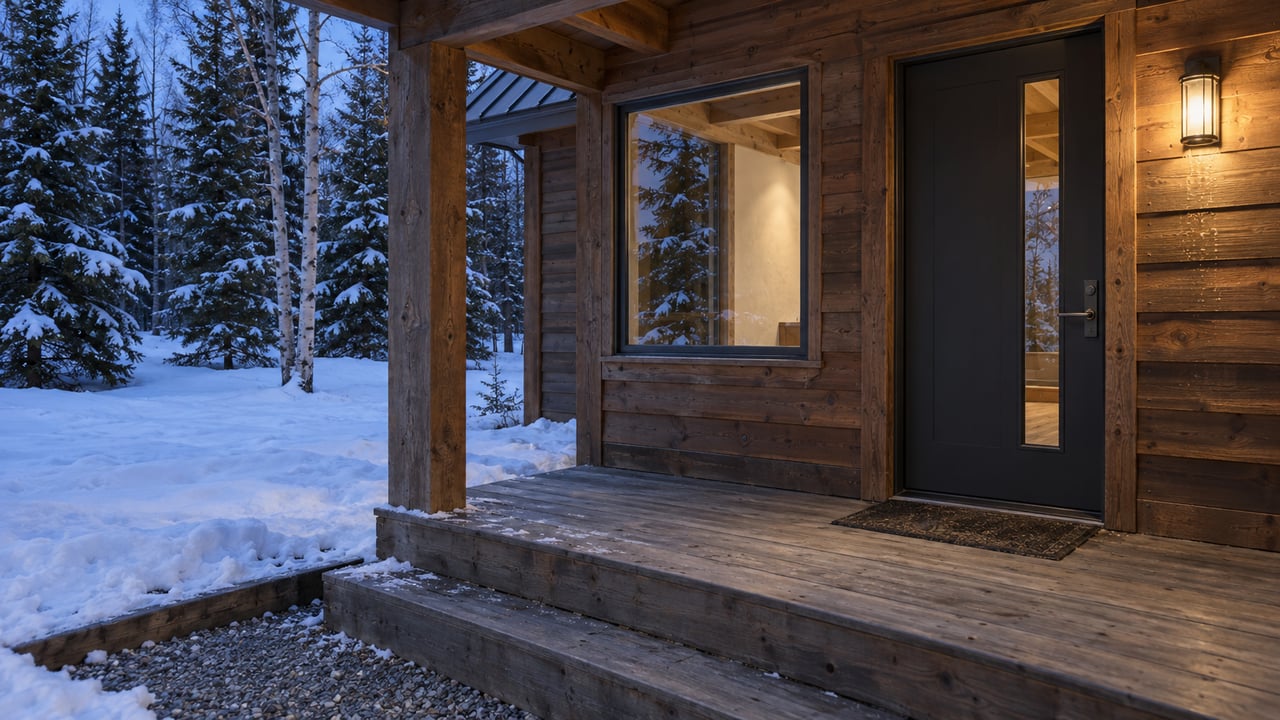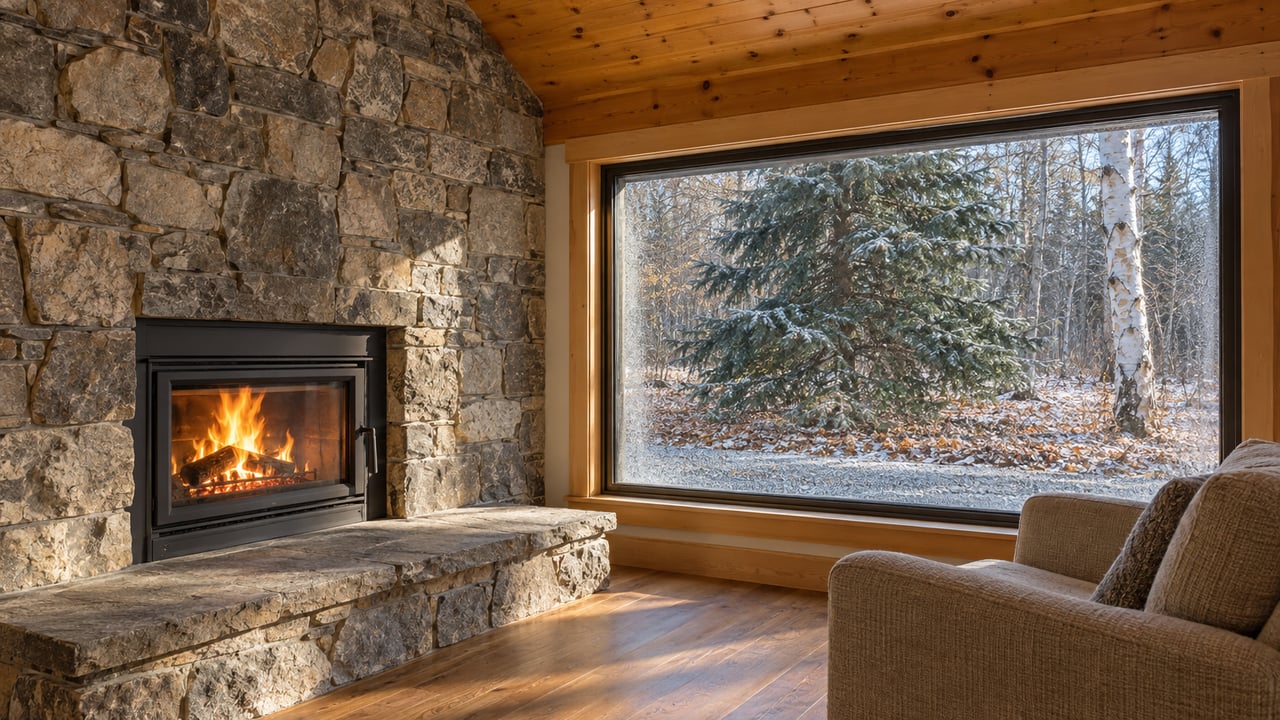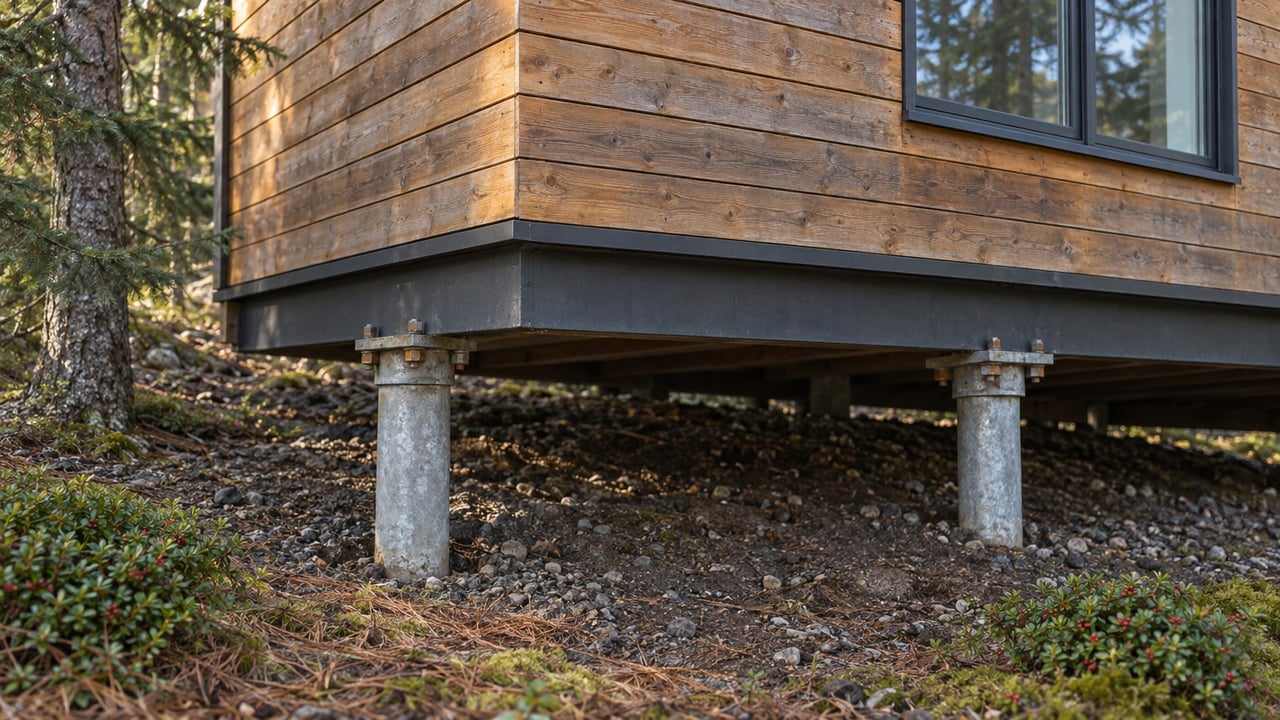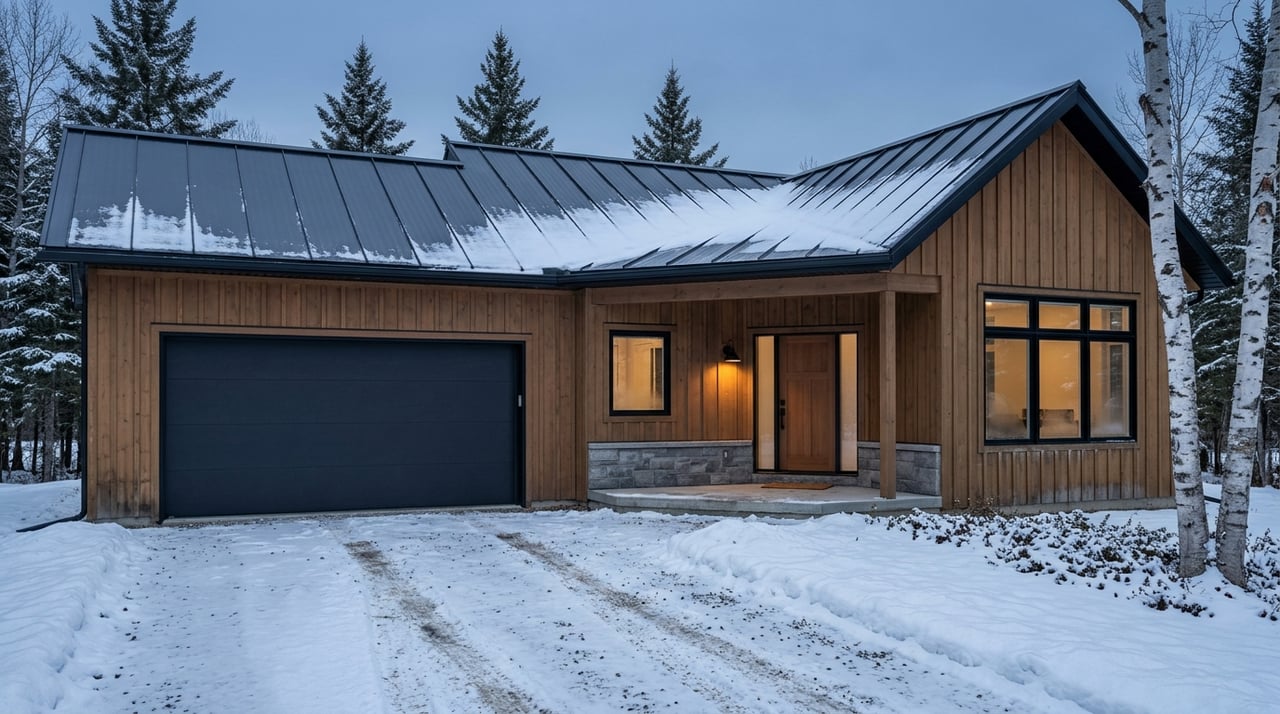
If you are thinking about living in Fairbanks full time, the biggest question usually is not whether the area is beautiful. It is whether you can truly enjoy daily life through every season. That is a smart question, because in Fairbanks, the seasons shape almost everything from your routine to your housing choices.
The good news is that year-round life here is not just about enduring winter. It is about learning the rhythm of a place with dramatic daylight, real weather, and a community that knows how to live with both. If you want a practical picture of what to expect, this guide will walk you through it. Let’s dive in.
Fairbanks life follows the seasons
Living in Fairbanks year-round means your calendar often feels tied to daylight, temperature, and snow cover as much as to the month itself. NOAA normals for Fairbanks International Airport show an annual mean temperature of 28.3°F, with average annual snowfall of 64.6 inches.
That average only tells part of the story. January averages about 0.6°F for the daily high and -17.2°F for the daily low, while July averages about 72.7°F and 53.1°F. In other words, your lifestyle in January and your lifestyle in July can feel like two different worlds.
Summer feels long and active
In June and July, the sun stays above the horizon for roughly 18 to 21 hours a day, according to NOAA. That much daylight changes how people use their time, and it often leads to late evening walks, extra errands after work, and long weekends outdoors.
The State of Alaska describes summer life in Fairbanks around activities like hiking and fishing. Even if you are not highly outdoorsy, you will likely notice that people simply spend more time outside and stay active later into the day.
Winter is intense but expected
Winter in Fairbanks is serious. NOAA reports that daylight drops to less than 4 hours per day from November into early March, snow cover usually lasts from October through April, and low temperatures of -40°F or colder occur each winter.
That sounds dramatic, and it is. Still, year-round residents do not treat winter like a total shutdown. Instead, daily life adjusts around cold temperatures, snow, ice fog, and shorter days.
Aurora season becomes part of life
One of the most unique parts of living in Fairbanks is that aurora viewing becomes a real part of the local rhythm. The University of Alaska Fairbanks Geophysical Institute says the viewing season generally runs from about August 21 to April 21.
For visitors, the northern lights may feel like a bucket-list event. For residents, they become one more reason to appreciate the dark season and one of the many things that makes year-round life here memorable.
Daily routines look different in Fairbanks
A year-round move to Fairbanks usually requires more planning than a move to a milder climate. You are not just choosing a home. You are choosing how you want to live through both summer and winter.
That means many households pay close attention to commute patterns, road access, snow removal, and how easy it is to run errands when weather turns. These practical details matter every bit as much as square footage or lot size.
Most people rely on a car
Fairbanks is largely car-based, especially outside the more urban parts of town. Census data shows the mean travel time to work in Fairbanks city is 14.1 minutes, which can sound easy on paper, but winter conditions can still affect how and when you travel.
For many residents, a vehicle is part of daily life rather than a convenience. That becomes even more true if you live outside the city core or want more land and privacy.
Transit helps in the urban area
Public transportation still plays an important role in town. MACS fixed-route buses serve parts of the urban area, including the University of Alaska Fairbanks, shopping centers, Fairbanks Memorial Hospital, the airport, and North Pole destinations.
The borough also offers Van Tran ADA paratransit. So while many households still prefer a car, transit can be useful depending on where you live and where you need to go.
Winter road care matters
Snow removal is not a minor issue in Fairbanks. The City of Fairbanks says it prioritizes main roads, emergency routes, school zones, and key public areas before moving on to residential neighborhoods.
Road maintenance varies by location across the borough. Community profile information notes that there are 106 road service areas maintaining about 485 miles of roadway, the City of Fairbanks maintains 116 miles of local roads, and about 730 miles of constructed roadway in the borough are not publicly maintained and can be seasonally inaccessible.
That is a major reason why location matters so much when you buy a home here. A property that looks ideal in summer may function very differently in winter.
Housing choices depend on lifestyle fit
Fairbanks housing is not one-size-fits-all. The right fit often depends on how much convenience, land, privacy, and year-round accessibility you want.
The Census Bureau reports a 40.5% owner-occupied rate in Fairbanks city, compared with 61.7% across the broader Fairbanks North Star Borough. In Fairbanks city, the median owner-occupied home value is $268,400, and median gross rent is $1,496.
Housing types vary across the borough
Borough planning materials describe a broad mix of housing. In Fairbanks and North Pole, you will find combinations of higher-density multifamily housing, single-family homes, and some mixed-use residential areas.
Outside the incorporated cities, the housing mix can include small lots, larger suburban-style lots, rural residential properties, and some off-the-grid living. That gives buyers a wide range of options, but it also creates more tradeoffs to evaluate.
Not every property works the same year-round
In Interior Alaska, property details matter. Borough assessing materials note that single-family residential classification can include condos and townhomes, and in some cases cabins and mobile homes may also be viewed that way.
Those labels do not always tell you how a property functions in day-to-day life. The same borough materials note that cabins are not always year-round homes, and mobile homes are not always on permanent foundations.
Utility setup can be a real factor
The borough’s existing-conditions report says that in 2023, 5% of occupied homes lacked complete plumbing, 4% lacked complete kitchen facilities, and 2% lacked telephone service. The report connects these gaps to cold climate conditions and the cost of serving remote, low-density areas.
For buyers, that means due diligence is especially important. If you are comparing in-town living with a more remote property, it helps to look closely at access, systems, and how the home supports year-round use.
Prices can shift by location
According to the borough’s existing-conditions report, the average single-family home sale price in Fairbanks North Star Borough was about $330,000 in 2024. The same report says prices were generally higher outside the city core than within Fairbanks proper.
That may sound surprising at first, but it reflects how buyers often value larger lots, rural settings, and different lifestyle options. In this market, price is often tied to usability, location, and property features, not just home size.
Amenities are stronger than some newcomers expect
One common misconception is that living in Fairbanks year-round means giving up access to core services. In reality, Fairbanks serves as a regional hub for the Interior and the northern half of Alaska.
That concentration of services gives residents a practical foundation for daily life. You do not have to leave the metro area for every appointment, errand, or resource.
Health care is a major local asset
The borough community profile lists several parts of the local care network, including Fairbanks Memorial Hospital, Bassett Army Community Hospital, the Fairbanks Public Health Center, Tanana Valley Health Clinic, Interior Community Health Center, and the Chief Andrew Isaac Health Center.
For year-round residents, that matters. A strong local medical network adds convenience and confidence, especially during long winters.
Libraries and public services reach beyond town
The Fairbanks North Star Borough public library system includes Noel Wien Library, the North Pole Branch Library, and a bookmobile. The bookmobile serves outlying areas including Ester, Two Rivers, Salcha, Haystack, assisted living, and homebound residents.
That is a good example of how the area supports both urban and more spread-out living. Services may be concentrated, but they are built with the larger borough in mind.
UAF helps anchor the community
The University of Alaska Fairbanks is another major year-round presence. The university describes its Fairbanks campus as the statewide system’s principal research center.
That adds activity, jobs, services, and community energy throughout the year. It also helps make Fairbanks feel more established and connected than some buyers expect before they arrive.
What year-round living really feels like
At its core, year-round life in Fairbanks feels practical, seasonal, and community-minded. You learn to think ahead, whether that means planning for winter road conditions, choosing a home with the right setup, or using long summer daylight to your advantage.
It is not a place where every neighborhood or property lives the same. Some buyers want convenience near town, while others are happy to trade a shorter errand list for more space, privacy, or a rural setting.
That is why local guidance matters so much here. In a market shaped by climate, access, and property differences, the best move is the one that fits your real daily life, not just your wish list.
If you are thinking about buying or selling in Fairbanks, North Pole, Salcha, Ester, or nearby areas, working with an experienced local broker can help you sort through those tradeoffs with confidence. When you are ready to talk through your options, connect with Ginger Orem.
FAQs
What is winter like for year-round residents in Fairbanks?
- Winter is very cold and very dark compared with many other places, with snow cover typically lasting from October through April, less than 4 hours of daylight per day in the deepest part of winter, and temperatures that can drop to -40°F or colder.
Do you need a car to live in Fairbanks year-round?
- Usually yes, especially outside the urban core, although MACS fixed-route buses and Van Tran paratransit provide useful transportation options in town.
What types of homes are common in Fairbanks North Star Borough?
- The borough includes single-family homes, multifamily housing, condos, townhomes, cabins, mobile homes, large-lot residential properties, and some off-the-grid homes, depending on location.
Are all Fairbanks-area homes suitable for full-time living?
- No, some cabins are not year-round homes, and some mobile homes are not on permanent foundations, so buyers should look closely at how a property functions in every season.
What is the housing cost picture in Fairbanks?
- In Fairbanks city, the median owner-occupied home value is $268,400 and median gross rent is $1,496, while the borough’s average single-family home sale price was about $330,000 in 2024.
What makes Fairbanks appealing despite the long winter?
- Many residents value the long summer daylight, winter recreation, aurora season, regional services, and the wide range of housing and lifestyle options across the Fairbanks area.